How Does an LED Floodlight Cut Outdoor Energy Costs?
- VKS
- Oct 23, 2026
- Blog
How Does an LED Floodlight Cut Outdoor Energy Costs?
Most people do not pay much attention to outside lighting until they receive their electricity bill. While a baseball stadium may be hosting events late into the night, parking lots remain well lit until dawn. The outdoors includes locations such as harbors, cargo areas and public spaces, which need to be continuously lit in order to ensure safety and facilitate business operations. The prolonged hours of such lighting result in enormous expenses.
LED floodlights can reduce outdoor electricity use when efficient fixtures replace less efficient lighting and the system is designed for the required site conditions. Their energy savings come from higher luminous efficacy, suitable beam distribution, and appropriate operating schedules. Compared with some conventional lighting technologies, LEDs may also offer longer service intervals, helping reduce maintenance expenses as a separate component of total cost of ownership.
Rather than choosing the fixture with the highest wattage, buyers should ask which lighting design meets the site's visibility, illuminance, uniformity, and glare requirements with the lowest practical energy use and lifecycle cost.
Why Outdoor Lighting Often Wastes Energy
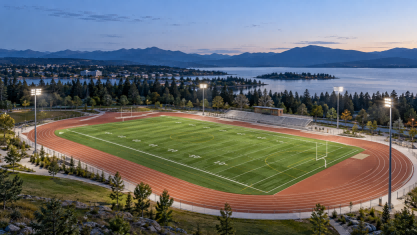
Large exterior spaces are rarely geometric in shape and lack suitable mounting points for poles. Football pitches for example have corners, sides and seating areas, busy seaports are home to towering cranes, heavy goods vehicles and towering stacks of containers, operating 24/7. In contrast, urban streets require to be safe, but not unpleasantly bright.
Many facilities select lighting fixtures by wattage alone, even though wattage measures electrical input rather than useful illumination. Older lighting systems often waste energy through lower luminous efficacy and inefficient optical distribution. A significant portion of input power is converted into heat, while poorly designed optics may direct useful light outside the target area.
Common reasons for high outdoor lighting costs include:
- Units operating at maximum output until dawn
- Beams spreading into empty or unnecessary zones
- Patchy illumination forcing operators to install extra bulbs
- Outdated fixtures offering minimal brightness per watt
- Constant repair work and bulb swapping
- Inadequate thermal management shortening fixture service life
A properly designed LED sports lighting system can address several of these issues. Fixture efficacy, optical distribution, pole placement, and operating controls should work together to achieve the required illumination where it is needed.
Usable Light Matters More Than Raw Brightness
Numerous customers judge fixtures primarily by their wattage. We understand this habit. However, wattage strictly measures power consumption. It never indicates how much helpful illumination actually hits the ground. It ignores the actual brightness reaching the court or working zone.
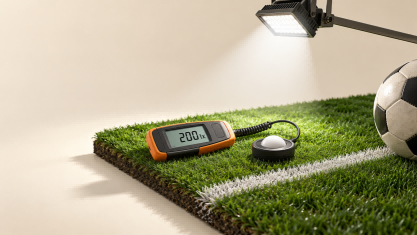
A suitable LED floodlight can deliver the required illumination with less electrical input, depending on its luminous efficacy and the site's lighting layout. Its optics also help distribute light across the target area. Better distribution may allow designers to use lower total installed power or fewer fixtures while still meeting illuminance and uniformity targets.
Material Features That Help Reduce Long-Term Costs
Power efficiency relies on more than just the internal LED chip. The outer casing, lens, and glass play vital roles. Surface finishes, waterproof seals, and thermal structures matter too. All these components determine the unit's actual performance over years of exterior exposure.
Lower-priced floodlights may appear economical at purchase, but prolonged exposure to heat, rain, dust, and humidity can affect performance. Weak seals, unsuitable materials, or insufficient thermal design may contribute to reduced light output, color shifts, water ingress, or early failure, increasing lifecycle costs.
Aluminum Housing for Heat Management
High-output exterior lighting produces heat that must be managed. Excessive temperatures at the LED junction or driver can accelerate light-output depreciation and shorten component service life. The thermal performance of a luminaire depends on its heat-sink structure, available surface area, thermal conduction path, installation conditions, and ambient temperature.
Manufacturers often use aluminum housings in professional LED floodlights because aluminum conducts heat effectively. A well-engineered aluminum housing helps transfer heat away from LED modules and supports stable operation. Actual thermal performance and reliability also depend on the heat-sink design, contact interfaces, surface area, airflow, ambient conditions, and driver quality.
At VKS Lighting, our fixtures may feature aluminum housings, protective coatings, PC lenses, and tempered glass, depending on the series. These components support structural protection, heat dissipation, and optical performance when selected and integrated for the intended outdoor environment.
Lenses, Glass, and Beam Direction
The optical system helps direct light toward the intended area. Secondary optical lenses primarily control beam distribution, while protective covers, such as clear tempered glass, generally shield the LED components from environmental exposure. Whether a cover also affects beam shaping depends on its specific design. Poor optical design can cause spill light, hot spots, or uneven illumination that may require a revised layout or additional fixtures.
Well-designed beam distribution supports appropriate illumination on playing fields, roads, ports, and industrial yards. When a lighting design meets the same illuminance and uniformity requirements, optimized optics may reduce the total installed wattage or fixture count. Better beam direction alone does not automatically reduce the electrical input of an individual luminaire.
Core Ways an LED Floodlight Cuts Energy Use
LED floodlights can lower electricity consumption through improved luminous efficacy, suitable optical distribution, and operating controls. Their potential to reduce maintenance work is another benefit, but those savings should be assessed separately under total cost of ownership rather than treated as energy savings.
Lower Wattage for the Same Job
Compared with many older exterior lighting technologies, properly specified LED floodlights can deliver the required light levels with lower electrical input. For large facilities, the reduction in total installed wattage and operating hours can translate into meaningful electricity savings. The final result depends on the illuminance targets, fixture selection, layout, and controls.
This explains why sports arenas, parking areas, and municipal projects increasingly adopt LED setups. Electricity rates fluctuate constantly. However, consuming fewer watts to achieve identical results remains a reliable strategy. It directly manages daily operational budgets.
Better Distribution Means Fewer Wasted Lumens
Outdoor lighting should serve people and tasks within the intended area rather than send unnecessary light into neighboring properties or the sky. Spill light can create glare and nuisance, but reducing spill light does not by itself lower a fixture's input wattage. Energy savings occur when the improved distribution allows a compliant design with lower installed power or reduced output.
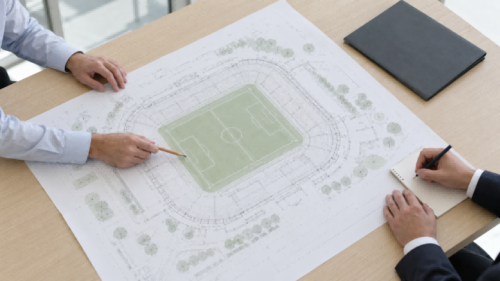
Floodlights are available with narrow, wide, symmetric, and asymmetric beam distributions. Selection depends on mounting height, aiming angles, site dimensions, and activities. For stadiums, the lighting design should consider maintained illuminance, uniformity, glare, and, where relevant, broadcast requirements. Photometric files such as IES or LDT data help designers verify these outcomes before installation.
Less Maintenance Work
Maintenance is an important component of outdoor lighting's total cost of ownership, but it is separate from electricity expense. Fixtures installed on high poles or masts may require lifting equipment, qualified technicians, and temporary access restrictions for service. These costs should be included in lifecycle comparisons alongside energy use.
LED floodlights with suitable thermal design, environmental protection, and verified service-life data may reduce maintenance frequency compared with some legacy fixtures. This can be particularly valuable for high-mast installations, where each service visit requires planning and equipment. Actual maintenance intervals depend on the fixture and operating conditions.
Smarter Use Through Controls
Lighting demand can vary through the night and between events. A practice field may need a different lighting level from a competition venue, and a logistics facility may benefit from scheduled or zone-based output. Any reduction must still satisfy applicable visibility and safety requirements.
LED floodlight controls depend on the driver and the wider system configuration. Depending on the specified model, compatible options may include on/off switching, 1–10 V dimming, DALI, or DMX512. These features are not universal across all LED floodlights, so buyers should confirm driver compatibility, wiring, and control functions before procurement. Where supported, appropriate scheduling and dimming can reduce electricity use during periods when full output is unnecessary.
Product Categories for Different Outdoor Projects
A single fixture model cannot possibly fit every exterior environment. An effective illumination strategy usually blends various product categories. They work together across one unified site.
VKS Lighting supplies athletic lights, general floodlights, municipal fixtures, and solar-powered street lamps. As a vks company handling exterior illumination projects, we prioritize precise matching. We pair specific units with actual environmental conditions. We refuse to treat every single facility identically.
Sports and Stadium Floodlights
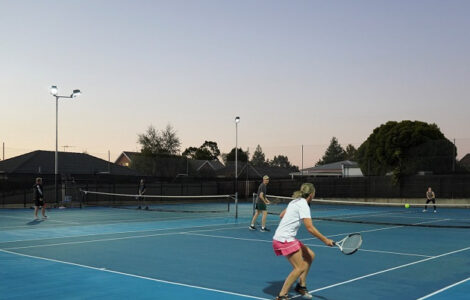
Athletic complexes require illumination that accommodates rapid movement and high speeds. Clear visibility remains crucial. Soccer pitches, tennis courts, and basketball arenas present unique challenges. Rugby grounds, hockey rinks, and swimming centers also demand highly specialized lighting setups.
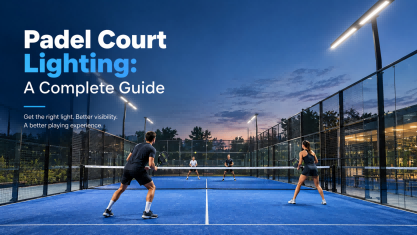
A soccer pitch demands broad, highly consistent coverage. A padel sport facility features a much smaller playing area. However, it includes transparent glass walls and tight spectator angles. The correct padel court lighting must minimize harsh reflections. It should help competitors track the fast-moving ball. It must also maintain a comfortable visual environment during intense matches.
Facility managers use LED sports lighting in stadiums, training grounds, recreational parks, and multipurpose arenas. A suitable lighting design balances energy efficiency with the required visibility, uniformity, and visual comfort for each activity.
High Mast Lighting for Large Areas
Engineers frequently specify high-mast illumination for seaports, airports, and massive parking zones. Highway intersections and busy cargo terminals also rely on them. These massive locations require expansive coverage from elevated mounting poles. Therefore, precise beam engineering becomes absolutely critical.
For LED seaport lighting, engineering selection should account for humidity, salt-laden air, dust, wind exposure, and vibration. Relevant specifications may include corrosion-resistant housing finishes, appropriate IP ingress-protection ratings, surge-protection capability, and evidence of salt-spray resistance suited to the installation environment. Reliable lighting also requires suitable optics, mounting arrangements, thermal design, and maintenance access. Any electricity savings should be evaluated against the required illuminance and site operating schedule.
Urban and Solar Lighting
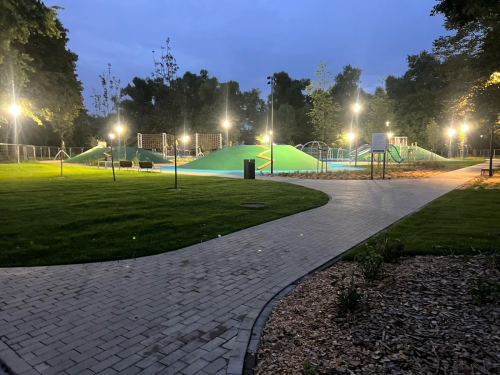
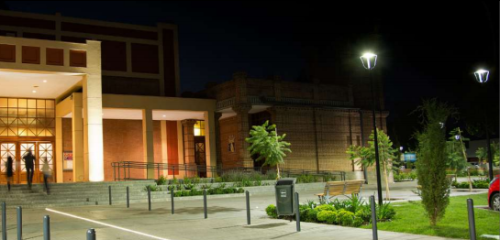
Municipalities can reduce outdoor lighting energy use through efficient fixtures and appropriate control schedules. Streets, parks, public squares, sidewalks, and parking areas still require lighting levels suited to their use. Excessive brightness and poorly directed light can increase consumption and visual discomfort.
LED urban lighting can support pedestrian and road-user visibility while addressing energy use and visual comfort. Suitable optics and installation layouts help direct light toward travel lanes, footpaths, and gathering areas according to the relevant project requirements.
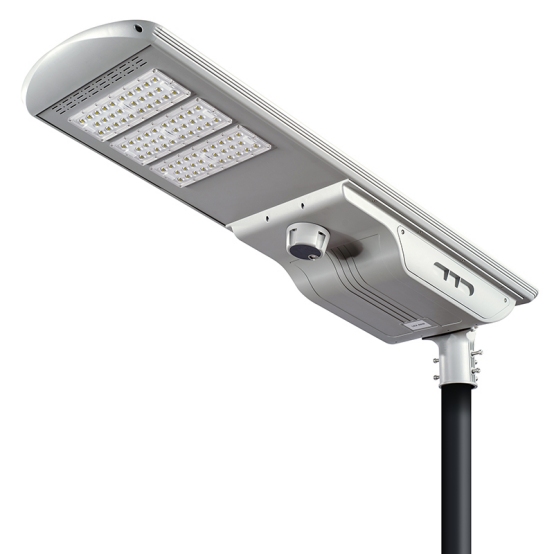
For isolated highways, rural parks, or completely off-grid locations, LED solar lighting provides an excellent alternative. It decreases reliance on traditional power grids. These systems successfully merge solar panels, storage batteries, smart controllers, and highly efficient LED modules.
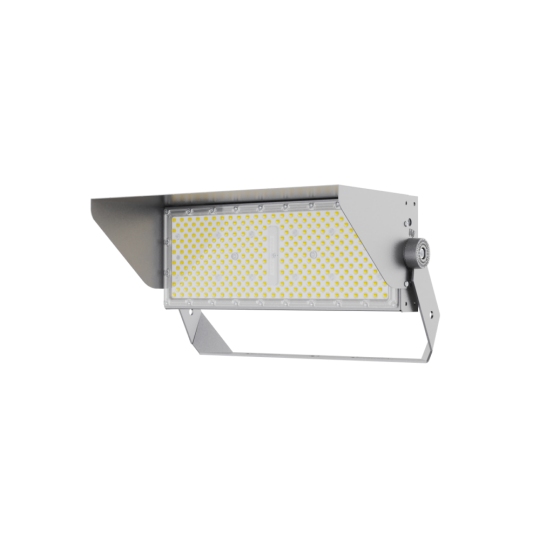
Main Industries That Benefit From LED Floodlights
LED floodlights are used across many outdoor applications where visibility, operating costs, and safety requirements matter. Savings depend on the fixture performance, operating hours, and a design that meets the specific site's lighting criteria.
Common applications include:
- Soccer pitches and major athletic stadiums
- Padel courts and private recreational clubs
- Shipping ports and massive container depots
- Aviation hubs and busy freight terminals
- Parking facilities and regional transit hubs
- Civic plazas and municipal roadways
- Factory yards and exterior warehouse zones
- Municipal parks, walking trails, and remote off-grid locations
A stadium lighting design must address maintained illuminance, uniformity, and glare for players and spectators. A shipping port needs dependable task lighting in a demanding environment, while municipal roadways require visibility and visual comfort. Fixture distribution, mounting height, aiming, and control settings should be checked against the site's design requirements.
What Buyers Should Check Before Choosing an LED Floodlight
Low upfront prices can be attractive during large lighting upgrades. However, buyers should compare electricity use, maintenance needs, projected service life, and installation costs rather than purchase price alone. A photometric assessment and relevant product test data help determine whether a proposed solution meets project needs.
Before choosing an LED floodlight, check:
- Delivered lumens and luminous efficacy (lm/W)
- Photometric distribution and available IES/LDT files
- Housing durability, optical lens design, and cover materials
- Verified IP ingress-protection and IK impact-resistance ratings
- Suitable surge-protection rating and electrical compatibility
- Thermal design and allowable ambient operating temperature
- Driver compatibility with the required control protocol
- Manufacturer warranty and service conditions
- Maintained illuminance, uniformity, and glare assessment
- Rated service life, lumen-maintenance data, and comparable project experience
VKS Lighting can help project teams review fixture options against mounting height, site geometry, target illuminance, uniformity, and operating conditions. Buyers should request project-specific photometric calculations and review long-term performance, service access, and applicable certifications before final selection.
Conclusion
An LED floodlight can reduce outdoor electricity expenses when a well-designed system achieves the required illuminance and uniformity with lower installed power, fewer operating hours at full output, or both. Fixture luminous efficacy, optical distribution, aiming, and compatible controls all affect energy use. Reduced service visits can also lower maintenance expense, which should be evaluated separately as part of total cost of ownership.
Housing materials, engineered heat-dissipation paths, protective lenses or covers, and appropriate ingress protection contribute to outdoor durability. Project teams should also evaluate glare, photometric data, surge protection, environmental exposure, rated service life, and lumen maintenance. VKS Lighting offers sports, high-mast, municipal, and solar lighting product categories for projects seeking efficient illumination and manageable operating costs.
FAQs
Q: How does an LED floodlight reduce outdoor energy costs?
A: It may lower electricity costs by providing the required illuminance with less total installed power and by using compatible dimming or scheduling controls when full output is unnecessary. Results depend on the fixture, layout, and operating hours.
Q: Is an LED floodlight good for stadium lighting?
A: Yes, LED floodlights can be specified for stadiums when the design meets the venue's illuminance, uniformity, glare, and any applicable broadcast requirements. Energy and maintenance savings should be assessed for the proposed system.
Q: What affects LED floodlight savings most?
A: The main factors are luminous efficacy (lm/W), photometric distribution, required illuminance and uniformity, mounting layout, operating hours, and compatible controls. Maintenance savings are considered separately in total cost of ownership.