How to Choose an LED Floodlight Stadium Manufacturer?
- VKS
- Oct 15, 2026
- Blog
Picking an LED floodlight stadium manufacturer is a big step for sports clubs, facility owners, builders, and lighting sellers. The correct supplier impacts much more than just brightness. It shapes how well players see the game. It also changes broadcast quality, power usage, upkeep costs, and fan enjoyment.
A skilled manufacturer must offer good materials and exact optical designs. They need to supply solid control systems and helpful project support. Furthermore, they must know that different places need different setups. A training field, football stadium, padel court, airport, or seaport will never use the exact same lighting layout.
This guide shows what buyers need to check before picking an LED floodlight supplier. It also explains why a full lighting plan usually matters more than one basic product spec.
Start With the Manufacturer’s Technical Experience
A stadium lighting project generally covers huge spaces and very high mounting spots. It faces tough weather and strict rules for even light spread. A supplier selling only basic floodlights might fail to fix certain issues. These problems often come from tall poles, bad beam angles, bright glare, or patchy coverage.
Before you ask for a price quote, see if the manufacturer can give you these items:
Lighting layouts and light level math
Advice on beam angles
Help with poles and mounting
Ways to stop glare and stray light
Real product samples or past project examples
Help with setup and final testing
Various light modes for practice and real games
A trusted sports lighting manufacturer must talk about the whole project. They should never focus just on wattage. At VKS, we blend research, design, building, sales, and tech support. This helps us handle sports and outdoor lighting tasks well. Our daily work covers football fields, tennis courts, padel courts, basketball spaces, swimming pools, and mixed-use arenas.
Why Project Experience Matters
Every single stadium features a unique build. The main pitch might sit near tall stands or big ad boards. Trees, office buildings, or local homes could also surround it. All these local details change how light must spread across the space.
A manufacturer with real project history spots practical issues early on. For instance, a tight beam works great on a very tall mast. Meanwhile, an uneven beam shape fits a side line or corner spot much better. The supplier must also grasp the value of vertical clear sight. This is vital when players track high flying balls. It also matters deeply when TV cameras film fast action.
Because of this, buyers must ask for a custom design. This plan should use real field sizes, exact mounting heights, and actual pole spots. It must also note the expected daily use. A basic product catalog by itself cannot prove if the final lighting setup will work well.
Examine Materials and Outdoor Protection
Outdoor stadium floodlights have to run smoothly through heavy rain and thick dust. They face extreme heat, freezing cold, hard shaking, and very long shifts. Their core materials directly change their lifespan and heat control. These parts also shape optical output and future upkeep needs.
Aluminum Housing for Heat Dissipation
Builders often use die-cast aluminum in top-tier LED floodlights. This metal actively pulls heat away from the working LED modules and the power driver. Proper heat control keeps the whole fixture running steadily. It also defends the total light output over many years.
The outer shell needs a smart design for easy upkeep. A tough frame and a good surface paint job are key details. A safe, tight mounting bracket is just as vital. These features matter greatly when workers place fixtures high above the grass.
Lenses and Tempered Glass
The clear optical parts hold just as much value as the metal shell. PC lenses do a great job shaping the light beam. At the same time, tempered glass adds a strong shield against harsh outdoor elements. The chosen lens material must fight off yellow stains. It has to keep passing bright light clearly during long years of use.
VKS sports floodlights often mix tough aluminum shells with clear PC lenses. They also use thick tempered glass and baked powder coatings, based on the exact series. These small details matter deeply for big stadiums and fast race tracks. They are equally critical for cargo yards and massive outdoor zones.
Protection Ratings
Always look for the right IP and IK ratings. IP scores show how well a light blocks dust and water. IK scores measure how much physical force a light can take. The perfect rating relies on the specific site and local weather traits. It also depends on the mounting height and the real risk of hard hits.
A solid product sheet must clearly list the safe working temperatures. It needs to show surge defenses, expected lifespan, and the exact warranty terms. It should also note the best setup conditions. Buyers must avoid vague words like “weatherproof” if the seller gives no real technical facts.
Compare Optical Performance, Not Just Wattage
A massive wattage number does not strictly mean better stadium lighting. The true test is whether the actual light hits the target zones. It must do this with smooth evenness and very low glare.
A highly effective LED floodlight system must deliver:
Proper beam angles for the chosen pole height
Smooth light spread across the whole grass area
Bright, clear light near the goal nets and side lines
Safe, low glare for both players and seated fans
Very little upward glow and almost no wasted spill light
Steady color shades and zero flicker for TV cameras
Today's sports lighting leans heavily toward modular optic parts. It also aims for highly exact beam aiming. Buyers now pay strict attention to local light pollution rules. They care about dark-sky laws and the daily comfort of nearby people. These worries grow huge when a stadium sits very close to quiet homes, busy roads, or retail shops.
VKSLed provides LED stadium floodlights featuring various power levels. They pack multiple beam choices suited for pro sports arenas and massive outdoor sites. The absolute best pick relies on the exact pitch size and the pole layout. It also depends on the needed brightness and the official match level.
Review Product Categories for Different Applications
An expert LED floodlight stadium manufacturer should have more than one product type. Different areas of a sports or public project need totally different lighting methods.
Sports Floodlights for Stadiums
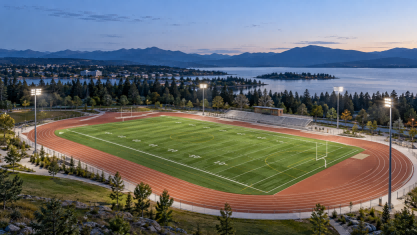
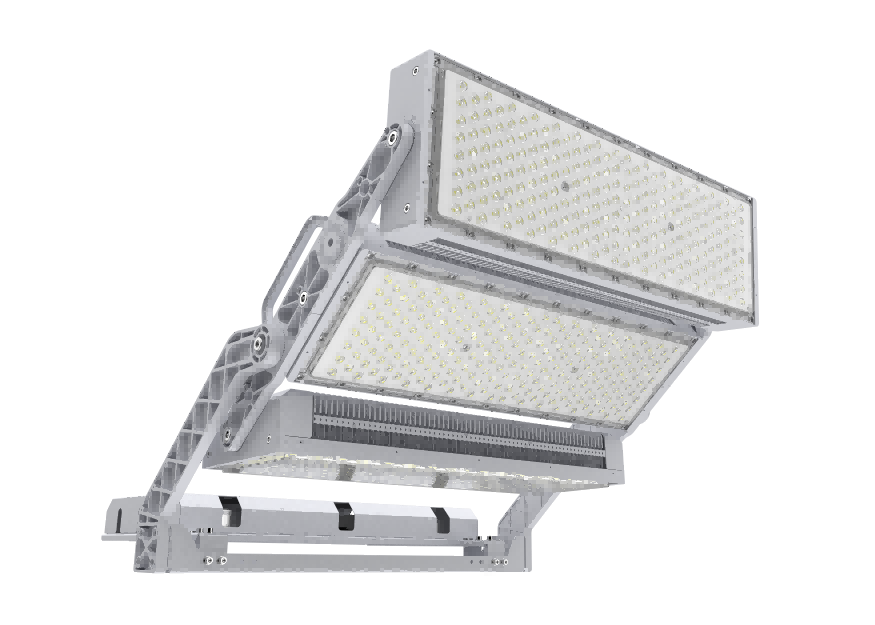
Builders design sports floodlights mostly for big football fields and massive stadiums. They also fit fast race tracks and daily training grounds. These units normally bring huge light output and tightly aimed beams. They feature tough frames and offer smart dimming or scene changes.
Inside huge venues, the lighting network might require distinct modes for:
Daily practice
Small local games
Top pro matches
Live TV broadcasts
Night cleaning and routine upkeep
Smart control types like 1-10V, DALI, and DMX512 prove very useful. They let stadium staff pick the exact right brightness for any given event.
High-Mast Floodlights for Large Areas
High-mast lighting works perfectly for busy airports and large shipping yards. It fits cargo hubs, massive parking lots, and coastal ports. These huge spots typically need broad light coverage from just a few very tall poles.
The inner lens design has to stop blinding bright spots directly beneath the tall mast. At the same time, it must push bright light to far edges. VKS also provides outdoor high-mast lighting for incredibly wide open zones. In these places, long-range light throw and steady daily running stay crucial.
Urban and Solar Lighting
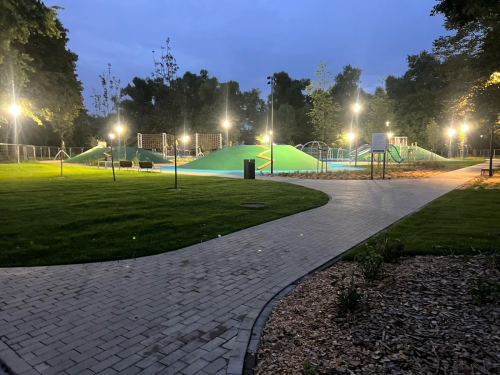
A complete stadium project frequently covers nearby roads and main front gates. It includes walking paths, car parking zones, and open public squares. These side areas often demand lower-power lights. They also need totally different beam shapes.
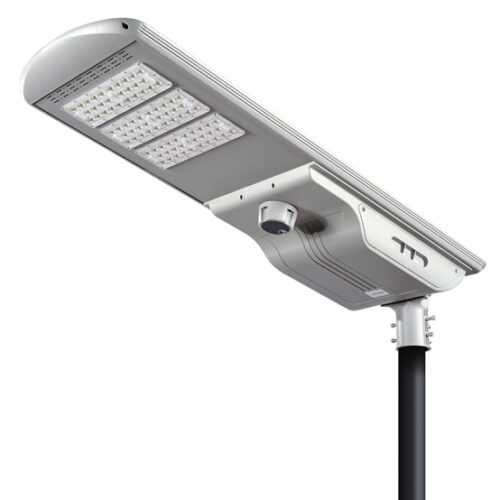
Our LED urban lighting series fits perfectly on local streets and open public parks. It suits parking spots and broad city upgrades. Some remote sites make normal power grids hard to reach. There, LED solar lighting delivers totally free, off-grid brightness. It does this by combining solar panels, deep batteries, smart controllers, and bright LED chips into one unit.
These specific items back up much broader urban led lighting solutions. They actively help site owners match the lighting style across the main stadium and all nearby roads.
Consider the Main Application Industries
An expert supplier absolutely must know how lighting rules shift from one industry to the next.
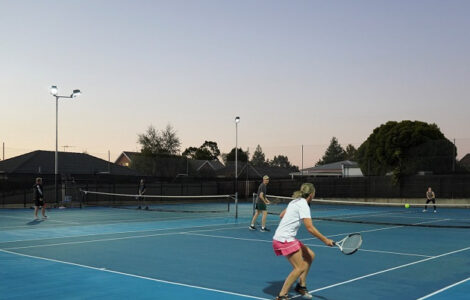
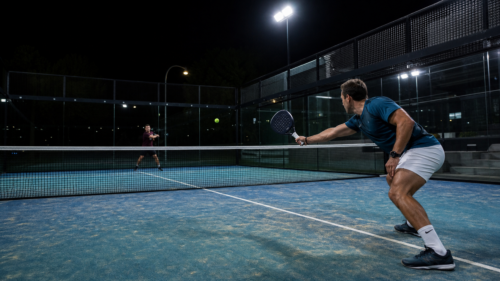
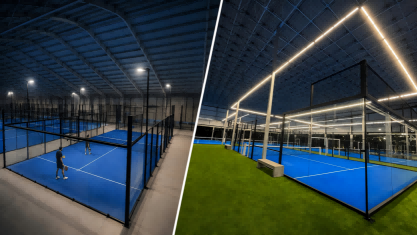
Soccer and rugby pitches demand wide, smooth light spread. They need intense clarity to track very fast running. Padel courts demand extremely careful glare limits. This happens because clear glass walls and shiny metal fences bounce light back. For padel sport, the correct padel court lighting has to make fast ball tracking easy. It must do this without making the play area painful to look at.
Busy ports and shipping sites hold totally different main goals. Led seaport lighting must deliver fail-safe, wide-zone sight. It has to endure wet, dusty, and non-stop working sites. Bustling airports demand crystal clear light near plane aprons, long taxiways, and freight zones. Car parking lots require highly safe, smooth light layers. They must have very few dark spots.
Open public squares and busy streets need soft, easy light. This light must never annoy close residential homes. In every single use case, the chosen supplier has to match the light unit perfectly. They must align the beam angle, the pole height, and the smart control type to the real local setting.
Look for a Complete Lighting Partner
The global stadium lighting market is shifting fast. It moves away from basic box sales toward complete project help. Today, site owners strongly desire a partner who helps pick the right items. They want aid with custom design, computer light testing, setup tips, and final aiming tweaks.
The term vks solutions highlights this massive, full-service mindset. At VKS, we sit down with our buyers to pick perfect products. We base this on exact field sizes, tall pole heights, match levels, and strict lighting targets. Our wide product catalog holds sports lights, bright flood lights, sleek urban lights, and green solar street lights.
A solid supplier must also show a very clear quality check system. Good questions to ask them include:
Exactly where do workers make these products?
How does the factory test the LED chips and power drivers?
Do they run long aging tests before putting items in boxes?
What official safety papers do they hold?
How long does the official warranty last?
Will they ship spare parts later on?
Do they offer real tech help after the boxes arrive?
These key facts help smart buyers weigh true long-term worth. It stops them from buying just because of a cheap starting price.
Conclusion
The absolute best LED floodlight stadium manufacturer is never just the company with the highest lumen count. They are not merely the ones with the cheapest price tag. A truly solid supplier must deeply grasp complex stadium layouts and light spread. They need to master glare limits, heat cooling, weather shielding, and smart digital controls. Core parts like die-cast aluminum, tough PC lenses, and thick tempered glass boost daily performance. Heavy-duty powder paints help too. However, the final visual outcome always relies on smart design and proper mounting.
Before you sign an order, demand a custom, project-based lighting layout. You must carefully check the suggested beam angles and digital control types. Look closely at the IP ratings, the warranty terms, and the future upkeep help. VKS provides sports, tall high-mast, street urban, and off-grid solar lighting setups for many outdoor needs. A perfectly matched light network will sharply boost player sight. It will cut down wasted power and deliver massive value over the whole life of the venue.
FAQs
Q: What makes a good LED floodlight stadium manufacturer?
A: A top-tier manufacturer delivers highly stable products and exact optical lenses. They also supply custom project designs, strict factory testing, and rich technical backing.
Q: Which materials are best for stadium floodlights?
A: Thick aluminum outer shells and tough PC lenses rank as the top choices. Strong tempered glass and baked protective paints also work best for harsh outdoor stadium life.
Q:What controls should an LED floodlight stadium manufacturer offer?
A: Look for On-off, 1-10V, DALI, and DMX512 options for training, matches, and broadcast events.